Keeping Your Bones Strong with Exercise and Calcium
Your bones are living tissue. The body keeps replacing old bone with new bone throughout life. What you eat and how you move both play a part in keeping them strong. Small habits now can make a real difference to your bones later.
This article looks at how bones change with age and which kinds of exercise help most. It also covers how much calcium adults need and why vitamin D matters. Finally, it explains when it is worth talking to a doctor about your bone health.
How bones change over a lifetime
According to Jean Hailes for Women’s Health, bones grow bigger and stronger as we grow and are at their strongest in our early 20s. After that, holding on to the bone you have becomes the main goal. Strong bones lower the risk of fractures. They also help protect against bone problems later in life.
Hormones play a big role for women. Jean Hailes explains that oestrogen helps keep bones strong, and it drops sharply around menopause. This is when women go through their fastest bone loss. Women who have early or premature menopause can start losing bone density sooner.
What osteoporosis and osteopenia mean
Osteoporosis is a condition where bones become thin, weak and fragile. That raises the risk of a fracture, even from a minor bump. Any bone can be affected, but the hip, spine, wrist, pelvis and upper arm are the most common sites. Jean Hailes notes that many people do not know they have it until a bone breaks.
Osteopenia sits a step before that. Bone density is lower than normal but not low enough to be called osteoporosis. The risk of a fracture is higher than normal, though lower than with osteoporosis. Healthdirect notes that osteoporosis is common in Australia, particularly in people over 60.
Why exercise matters for your bones
Bones respond to exercise in a similar way to muscles. The Victorian Government’s Get Active program says bones need consistent exercise to stay strong. It also notes that exercise helps increase bone mass, especially in younger years. Weight bearing exercise and resistance training are described as the best types of movement for building strong bones.
Weight bearing exercise is any activity where your feet and legs carry your body weight. Get Active lists walking, jogging, hiking, netball, tennis and lifting weights as examples. Jean Hailes also names jogging and lifting weights as ways to help maintain bone strength. Choosing activities you enjoy makes them easier to keep up for years.
Resistance training means working your muscles against a load. That load can be dumbbells, a resistance band or your own body weight. Simple bodyweight moves are a good place to begin, and our list of exercises with no equipment has some ideas. Jean Hailes recommends regular weight bearing and resistance exercise after menopause in particular.
If you are new to lifting, good technique matters more than heavy weights. Learning how to bend and lift properly protects your back and joints. Our article on stretching and exercise tips to avoid strains and sprains covers some of the basics. A qualified exercise professional can also show you how to progress safely.
Training with other people can help you stick with it. Many gyms and community centres run strength and circuit classes. If that appeals, have a look at the group fitness options near you. Pick a class that includes some work on your feet or some strength training.
How much calcium adults need
Calcium is a mineral the body needs for building and maintaining bones. Healthdirect explains that about 99 per cent of the body’s calcium is stored in the bones. The rest circulates in the blood for use by the heart, muscles and nerves. When you do not get enough from your diet, the body draws calcium from your bones, which can reduce bone density.
The amount you need changes with age and sex. Needs rise for older women and older men. Healthdirect lists these recommended daily intakes.
- Teenagers aged 12 to 18 need 1,300 mg a day.
- Women aged 19 to 50 need 1,000 mg a day.
- Women aged 51 and over need 1,300 mg a day.
- Men aged 19 to 70 need 1,000 mg a day.
- Men aged 71 and over need 1,300 mg a day.
Good food sources of calcium
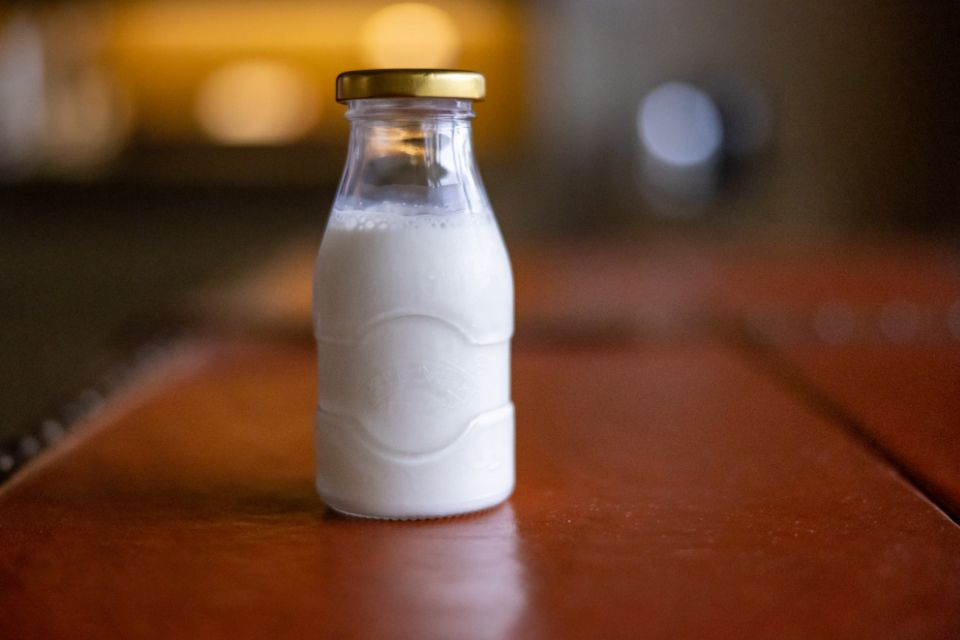
Dairy foods are the best source of calcium, according to Get Active. Milk, cheese and yoghurt are the main ones. Healthdirect notes that the Australian Dietary Guidelines recommend two to three serves of dairy a day. Get Active gives a sample day for a woman aged 19 to 50 to reach 1,000 mg. It includes a cup of milk, a cup of yoghurt, 30 g of almonds and two slices of cheese.
If you do not eat dairy, there are other options. Healthdirect lists firm tofu, canned fish such as sardines or salmon, green leafy vegetables, almonds, cereals and legumes. Get Active adds seeds and calcium fortified foods such as some plant based milks and breakfast cereals. Check the label to see how much calcium a product contains.
Get Active also notes that foods high in sodium can reduce calcium absorption. Processed meats, chips and sauces are common examples. Cutting back on these is one more small step for your bones. Protein is part of a balanced diet too, and our guide to protein powders explains what to look for if you use them.
Vitamin D and calcium absorption
Vitamin D helps your body absorb calcium. Healthdirect explains that without enough vitamin D, calcium absorption suffers even when your diet has enough calcium. People with low vitamin D levels are one of the groups at higher risk of low calcium or osteoporosis. Get Active suggests 30 minutes of outdoor exercise on a sunny day to support bone health. Your doctor can talk with you about the right balance of sun exposure and sun protection.
Other factors that affect bone health
Healthdirect lists several groups at higher risk of low calcium or osteoporosis. These include people with certain conditions such as coeliac disease or kidney disease. People who take steroid medicines long term are also at higher risk. So are people who consume a lot of caffeine or alcohol.
Falls become a bigger concern as bones grow more fragile. Jean Hailes notes that changes to eyesight, balance, reaction time and concentration all raise the risk of falling. It also says many falls are preventable and the injuries from them can be reduced. Staying active helps you keep the strength and balance you need from day to day.
When to talk to a doctor
Healthdirect says getting calcium from food is the preferred option. Many Australians do not get enough from their diet, though, and some people need a supplement. Speak with your doctor before taking any supplement. Healthdirect also suggests that people over 50 may wish to discuss their osteoporosis risk and whether to have a bone density test.
Jean Hailes explains that a bone health check may include a look at your risk factors, a bone density scan called a DXA scan and blood and urine tests. Your doctor can explain what the results mean for you. If you already have osteoporosis or osteopenia, follow your doctor’s advice on calcium and vitamin D.
Frequently asked questions
What is the best exercise for strong bones?
Get Active describes weight bearing exercise and resistance training as the best types of movement for strong bones. Walking, jogging, hiking, tennis and lifting weights are all examples. Pick ones you enjoy so you keep doing them. Check with your doctor first if you have a health condition.
How much calcium do I need each day?
Healthdirect lists 1,000 mg a day for women aged 19 to 50 and men aged 19 to 70. Women over 50 and men over 70 need 1,300 mg a day. Teenagers aged 12 to 18 also need 1,300 mg. Food is the preferred source.
Can I get enough calcium without dairy?
Yes, though it may take more planning. Firm tofu, canned fish such as sardines or salmon, green leafy vegetables, almonds and calcium fortified foods all contain calcium. Healthdirect notes that some people need a supplement. Talk to your doctor before starting one.
When should I have a bone density test?
Healthdirect suggests people over 50 may wish to talk to their doctor about osteoporosis risk and a bone density test. Women who had early or premature menopause may start losing bone density sooner. Your doctor can look at your risk factors and advise whether a test suits you. Every person’s situation is different.
This article is general information only and is not medical advice. Speak with a doctor or qualified health professional about your bone health, calcium needs or any supplement before making changes.